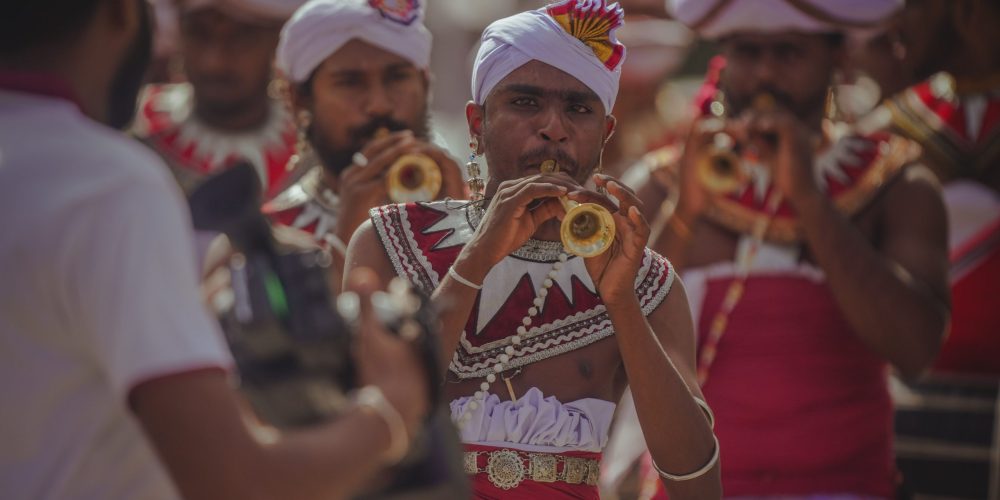

Sri Lanka is a land where ancient traditions, vibrant customs, sacred temples, colonial influences, and diverse communities come together to create one of Asia’s most fascinating cultural destinations. With a history spanning over 2,500 years, the island offers travelers countless opportunities to experience authentic cultural traditions, explore UNESCO World Heritage Sites, participate in local celebrations, and connect with communities that continue to preserve their unique way of life.
Beyond its stunning beaches and wildlife adventures, Sri Lanka’s true essence lies in its culture. From the sacred cities of the Cultural Triangle and colorful religious festivals to traditional dance performances and village life experiences, every corner of the island tells a story of heritage, spirituality, and resilience.
For travelers seeking meaningful connections and authentic experiences, cultural tourism in Sri Lanka provides an unforgettable journey into the heart of the island’s identity.
At Ocean Bliss Travel, we curate immersive cultural experiences that allow visitors to discover Sri Lanka’s traditions, history, and people in a genuine and enriching way.
Sri Lanka’s cultural diversity is shaped by centuries of history, religion, trade, and migration. The island is home to Sinhalese, Tamil, Muslim, Burgher, and indigenous communities, each contributing to its rich cultural landscape.
Travelers choose cultural experiences in Sri Lanka because they offer:
Cultural experiences provide a deeper understanding of Sri Lanka beyond its scenic beauty, helping visitors connect with the island’s people and traditions.
Sri Lanka’s ancient kingdoms are among the most important cultural attractions in South Asia.
The island’s ancient cities showcase remarkable achievements in architecture, engineering, art, and urban planning.
One of the oldest continuously inhabited cities in the world, Anuradhapura served as Sri Lanka’s first capital for centuries.
Visitors can explore:
The city remains an important pilgrimage destination and a symbol of Sri Lanka’s Buddhist heritage.
The medieval capital of Sri Lanka features well-preserved ruins, royal palaces, and impressive stone sculptures.
Highlights include:
Polonnaruwa offers valuable insights into Sri Lanka’s golden age of civilization.
Sigiriya is one of Sri Lanka’s most iconic cultural landmarks and a UNESCO World Heritage Site.
Built during the 5th century, the ancient rock fortress features:
The remarkable engineering and artistic achievements of Sigiriya continue to amaze visitors from around the world.
The site represents one of the greatest accomplishments of ancient Sri Lankan civilization.
Buddhism has shaped Sri Lankan culture for over two millennia, and the island is home to numerous sacred temples and pilgrimage sites.
Located in Kandy, this revered temple houses one of Buddhism’s most important relics and attracts pilgrims from around the world.
This UNESCO-listed site features beautifully preserved cave shrines filled with ancient Buddhist murals and statues.
Widely regarded as the birthplace of Buddhism in Sri Lanka, Mihintale holds immense religious and historical significance.
Visiting these sacred sites offers travelers an opportunity to understand Sri Lanka’s spiritual traditions and cultural values.
Traditional dance is an important part of Sri Lankan cultural heritage.
Kandyan dance performances showcase:
These captivating performances originated in the hill country and continue to play a vital role in religious ceremonies and cultural celebrations.
Visitors often find Kandyan dance shows to be among the most memorable cultural experiences in Sri Lanka.
Sri Lanka’s calendar is filled with colorful festivals that celebrate religion, culture, and community.
Held annually in Kandy, this spectacular procession features:
It is considered one of Asia’s most impressive cultural festivals.
Celebrated in April, this festival brings families together through traditional games, rituals, and festive meals.
Experiencing local festivals allows travelers to witness the vibrant traditions that define Sri Lankan culture.
Village experiences provide visitors with opportunities to engage directly with local communities and learn about traditional lifestyles.
Activities often include:
Village tourism highlights the values, hospitality, and daily routines that continue to shape rural Sri Lankan life.
These authentic experiences create meaningful cultural connections and lasting memories.
Food is an essential element of Sri Lanka’s cultural identity.
Culinary experiences allow travelers to explore:
Popular dishes include:
Cooking classes and food tours provide delicious insights into the island’s culinary heritage.
Sri Lanka’s colonial past has left a lasting influence on its architecture, culture, and urban landscapes.
Visitors can explore historic cities such as:
Known for its UNESCO-listed fort and beautifully preserved Dutch colonial architecture.
A vibrant capital city where colonial landmarks blend with modern development.
Often called “Little England,” this hill country town features colonial-era buildings and gardens.
These destinations reveal the diverse influences that have shaped Sri Lanka’s identity over centuries.
Sri Lanka is home to a rich tradition of craftsmanship and artistic expression.
Visitors can observe artisans creating:
These crafts reflect centuries of cultural knowledge and creativity.
Supporting local artisans helps preserve traditional skills and cultural heritage.
Tea is deeply woven into Sri Lanka’s history and culture.
Travelers can visit scenic tea estates to learn about:
Tea experiences provide valuable insights into one of Sri Lanka’s most important industries and cultural symbols.
Sampling fresh Ceylon Tea is a highlight for many visitors.
Meaningful interactions with local people often become the most rewarding part of cultural travel.
Visitors have opportunities to:
These interactions foster cultural understanding and create authentic travel experiences.
The warmth and friendliness of Sri Lankan people leave lasting impressions on visitors.
Each region of Sri Lanka offers unique cultural traditions.
Ancient kingdoms and archaeological wonders.
Religious heritage and traditional arts.
Colonial history and coastal culture.
Tea heritage and mountain communities.
Distinct Tamil cultural influences and traditions.
Exploring different regions reveals the incredible diversity of Sri Lankan culture.
Responsible cultural tourism helps preserve heritage while supporting local communities.
Benefits include:
Travelers play an important role in protecting and celebrating Sri Lanka’s cultural treasures.
Sri Lanka’s culture is the foundation of its identity. From ancient cities and sacred temples to traditional villages, colorful festivals, and warm local hospitality, cultural experiences offer travelers a deeper appreciation of the island’s rich heritage.
Every cultural encounter reveals stories of resilience, creativity, spirituality, and tradition that have shaped Sri Lanka for thousands of years. Whether exploring UNESCO World Heritage Sites, learning traditional crafts, sharing meals with local families, or witnessing vibrant celebrations, visitors gain meaningful insights that transform a simple holiday into a truly enriching journey.
For travelers seeking authenticity, connection, and unforgettable memories, cultural experiences are among the most rewarding aspects of visiting Sri Lanka.
At Ocean Bliss Travel, we create immersive cultural experiences designed to showcase the very best of Sri Lanka’s history, traditions, and communities. From heritage tours and temple visits to village experiences, festivals, and culinary adventures, our expert team ensures every journey is authentic, enriching, and memorable.
Book your cultural experience with Ocean Bliss Travel today and discover the traditions, stories, and people that make Sri Lanka one of the world’s most fascinating cultural destinations.
Whether you’re planning a cultural journey, wildlife adventure, beach escape, or a tailor-made holiday, our local travel experts are here to create the perfect itinerary for you.